

Office workers in the UAE spend around 75 percent of their workday sitting at a desk. That sounds routine, right? Except these hours are now linked to a sharp rise in back pain and lost productivity. The fix is not more hours at work. It is smarter workspaces. Ergonomic workstations have been shown to deliver a 4.87 percent boost in productivity and even help companies cut down on injuries and absenteeism. The real surprise? Investing in ergonomic design does not just make people comfortable. It could be the secret to unlocking long-term business success across modern UAE offices.
Table of Contents
- How Ergonomic Workstations Boost Productivity
- Health Risks of Poor Office Ergonomics
- Key Features of Ergonomic Workstations in the UAE
- Choosing Custom Ergonomic Solutions for Modern Offices
Quick Summary
| Takeaway | Explanation |
|---|---|
| Invest in ergonomic workstations | Ergonomic designs reduce physical strain and enhance productivity by improving employee comfort. |
| Conduct comprehensive workplace assessments | Assessments help identify specific ergonomic needs based on individual and organizational requirements. |
| Incorporate adjustable components | Adjustable desks and chairs accommodate various body types, promoting optimal posture and reducing injuries. |
| Leverage technology for ergonomics | Smart desks and posture-monitoring systems enhance customization and improve overall workplace health. |
| Prioritize long-term health benefits | Ergonomics not only prevent injuries but also reduce absenteeism and healthcare costs, contributing to organizational success. |
How Ergonomic Workstations Boost Productivity
Productivity is the cornerstone of successful businesses, and ergonomic workstations play a crucial role in creating an environment where employees can perform at their best. Modern organizations are increasingly recognizing that workplace design directly impacts worker performance, efficiency, and overall organizational output.
Reducing Physical Strain and Workplace Discomfort
Ergonomic workstations are scientifically designed to minimize physical stress and reduce the risk of musculoskeletal disorders. Explore our ergonomic solutions that help employees maintain proper posture and reduce workplace fatigue. According to a study published in the National Institutes of Health, workers in call centers experienced a significant 4.87% increase in productivity after implementing ergonomic interventions, compared to a 3.46% decrease in control groups where no changes were made.
The Washington State Department of Labor & Industries highlights that proper ergonomic practices can substantially reduce workplace injuries. By providing adjustable chairs, appropriate desk heights, and workstations that support natural body mechanics, companies can dramatically decrease the physical strain that typically leads to reduced productivity.
Enhancing Mental Focus and Work Efficiency
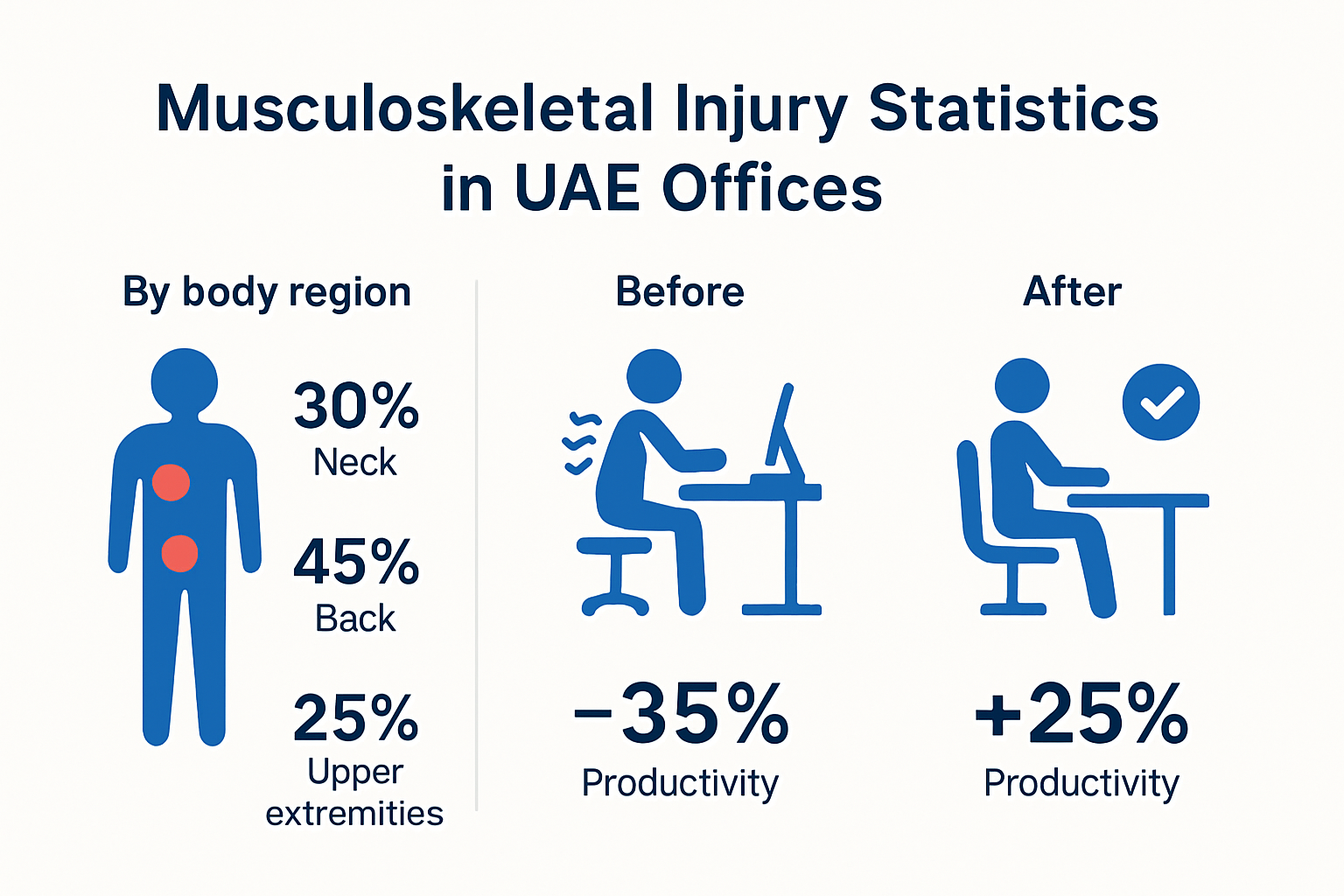
Beyond physical comfort, ergonomic workstations contribute to mental well-being and cognitive performance. When employees are not distracted by physical discomfort, they can maintain higher levels of concentration and engagement. A comprehensive evaluation of 465 video display terminal workstations revealed that over 35% of workers experienced on-the-job pain due to non-ergonomic furniture, which directly impacts their ability to focus and perform effectively.
Ergonomic design goes beyond mere furniture placement. It involves creating a holistic workspace that supports an employee’s physical and mental health. Adjustable monitors that reduce eye strain, keyboard layouts that prevent wrist fatigue, and chairs that provide proper lumbar support all contribute to a more comfortable and productive work environment.
Long-Term Organizational Benefits
Investing in ergonomic workstations is not just about immediate comfort but represents a strategic approach to workforce management. Companies that prioritize employee well-being through thoughtful workspace design see tangible benefits in reduced absenteeism, lower healthcare costs, and improved overall team performance.
The economic impact of ergonomic interventions extends far beyond individual comfort. By creating workspaces that support employee health and efficiency, organizations can develop a more resilient, engaged, and productive workforce. This approach transforms workplace design from a mere aesthetic consideration to a critical business strategy that directly influences organizational success.
To clarify the documented productivity effects, here’s a table summarizing the key statistics related to ergonomic interventions:
| Study/Source | Group | Productivity Change |
|---|---|---|
| National Institutes of Health (Call Centers) | Ergonomic intervention group | +4.87% |
| National Institutes of Health (Call Centers) | Control group (no intervention) | -3.46% |
| Video Display Terminal Workstation Study | % workers reporting pain (non-ergonomic furniture) | 35%+ |
Health Risks of Poor Office Ergonomics
Modern office environments can silently harbor significant health risks when ergonomic principles are overlooked. Poor workplace design not only compromises employee comfort but can lead to serious long-term physical and mental health complications that extend far beyond temporary discomfort.
Musculoskeletal Disorders and Physical Strain
Inadvertent workplace design can trigger a range of musculoskeletal disorders that progressively impact worker health. Learn about ergonomic solutions that can mitigate these risks. According to the Occupational Safety and Health Administration, cumulative trauma disorders and repetitive stress injuries represent substantial workplace health challenges, often resulting in significant lost workdays and escalating healthcare expenses.
A comprehensive 2019 study published in the International Journal of Environmental Research and Public Health revealed alarming statistics about office worker health. Researchers found a high prevalence of musculoskeletal pain, particularly concentrating in the lower back, neck, and shoulders. Prolonged sitting, improper chair height, non-adjustable workstations, and repetitive movements contribute substantially to these physical health challenges.
Psychological and Cognitive Impact
Beyond physical strain, poor ergonomics can profoundly affect mental well-being and cognitive performance. Persistent physical discomfort creates chronic stress, which diminishes concentration, increases workplace anxiety, and reduces overall job satisfaction. Employees experiencing continuous physical strain are more likely to report higher levels of mental fatigue and decreased motivation.
The psychological toll of non-ergonomic workspaces extends to reduced cognitive function. When workers are constantly managing physical discomfort, their mental resources become divided, leading to decreased problem-solving capabilities, slower reaction times, and diminished creative thinking.
Long-Term Health Consequences
Neglecting ergonomic principles is not merely a short-term workplace inconvenience but a significant long-term health risk. Chronic conditions such as carpal tunnel syndrome, cervical spondylosis, and persistent lower back pain can develop from years of improper workplace positioning and inadequate support.
The economic implications are substantial. Organizations bear increased healthcare costs, reduced productivity, and potential worker compensation claims. For individual employees, the potential for permanent physical damage and reduced quality of life represents a critical concern that extends well beyond the immediate workplace environment.
Implementing comprehensive ergonomic assessments, providing adjustable furniture, and promoting regular movement can dramatically mitigate these risks. Proactive workplace design is not an expense but a strategic investment in human capital, ensuring employees remain healthy, engaged, and productive throughout their professional careers.
Here is a table summarizing the main physical and psychological risks associated with poor office ergonomics as described above:
| Risk Type | Specific Examples / Impact |
|---|---|
| Musculoskeletal Disorders | Lower back pain, neck pain, shoulder pain, carpal tunnel syndrome, cervical spondylosis |
| Physical Strain | Injuries from prolonged sitting, improper chair/desk height, repetitive movements |
| Psychological Impact | Chronic stress, reduced concentration, increased anxiety, mental fatigue, lower job satisfaction |
| Cognitive Impact | Diminished memory, reduced problem-solving ability, slower reaction times, less creativity |
| Economic Impact | Increased work absences, healthcare costs, worker compensation claims |
Key Features of Ergonomic Workstations in the UAE
Ergonomic workstations represent a sophisticated approach to workplace design that goes far beyond simple furniture arrangement. In the rapidly evolving UAE business landscape, understanding and implementing key ergonomic features becomes crucial for organizations seeking to optimize employee performance, health, and overall workplace efficiency.
Optimal Posture and Body Alignment
The foundation of an ergonomic workstation lies in promoting natural body alignment and preventing physical strain. Explore our comprehensive furniture selection designed to support proper workplace ergonomics. According to Case Western Reserve University, ideal ergonomic workstations should strategically position the body to prevent injury and enhance productivity.
Key alignment principles include positioning ears, shoulders, and hips in a straight line, ensuring the top of computer screens are at or just below eye level, maintaining neutral wrist positions, and keeping elbows at precise 90-degree angles. These seemingly minor adjustments can dramatically reduce the risk of musculoskeletal disorders and improve overall worker comfort.
Adjustable Workstation Components
Flexibility is paramount in modern ergonomic design. The University of Wisconsin-Madison identifies critical adjustable components that define a truly ergonomic workspace. These include height-adjustable desks, chairs with multiple positioning options, and adaptable monitor stands.
Specific recommendations include adjusting seat height so feet rest flat on the floor, aligning lumbar support with the natural curve of the lower back, and positioning monitors approximately an arm’s length away. For UAE offices with diverse workforce heights and body types, these adjustable features ensure personalized comfort and support.
Advanced Technological Integration
Ergonomic workstations in the UAE are increasingly incorporating advanced technological solutions to enhance user experience. Smart desks with memory settings, chairs with integrated posture sensors, and software that reminds users to change positions or take brief movement breaks represent the cutting edge of ergonomic innovation.
According to Missouri S&T’s Environmental Health and Safety department, the ultimate goal of these technological integrations is to facilitate neutral body postures that reduce the risk of cumulative trauma disorders. By combining intelligent design with adaptive technologies, UAE businesses can create workspaces that not only prevent health issues but actively promote employee wellness.
Implementing these ergonomic features requires a holistic approach that considers individual employee needs, workplace culture, and technological capabilities. The investment in comprehensive ergonomic solutions pays dividends through improved employee health, increased productivity, and a demonstrable commitment to workforce well-being in the competitive UAE business environment.
Choosing Custom Ergonomic Solutions for Modern Offices
Custom ergonomic solutions represent a strategic approach to workplace design that goes beyond one-size-fits-all furniture, recognizing the unique needs of individual employees and diverse organizational environments. In the dynamic UAE business landscape, selecting the right ergonomic solutions requires a comprehensive understanding of workplace dynamics, employee requirements, and technological advancements.
Comprehensive Workplace Assessment
Discover tailored ergonomic solutions that transform workplace functionality. According to the Centers for Disease Control and Prevention, effective ergonomic interventions begin with a thorough workplace assessment that identifies potential risk factors and individual employee needs. This process involves analyzing work tasks, individual physical capabilities, and potential musculoskeletal disorder risks.
A comprehensive assessment should examine multiple factors, including workstation layout, employee movement patterns, current furniture configurations, and specific job-related physical demands. By conducting detailed evaluations, organizations can develop targeted ergonomic solutions that address specific workplace challenges and individual employee requirements.

Personalized Ergonomic Interventions
The National Center for Biotechnology Information highlights significant variations in computer workstation designs, emphasizing the critical need for personalized ergonomic interventions. Modern offices require flexible solutions that can be tailored to individual employee characteristics, including height, body type, work responsibilities, and potential physical limitations.
Key considerations for personalized ergonomic solutions include adjustable chairs with multiple configuration options, height-adjustable desks, specialized keyboard and mouse configurations, and customized monitor positioning. These interventions should accommodate diverse workforce needs, ensuring comfort and reducing the risk of workplace-related physical strain.
Technology-Enabled Ergonomic Customization
Advanced technological solutions are revolutionizing custom ergonomic workplace design. Emerging technologies such as artificial intelligence, biomechanical sensors, and adaptive furniture systems enable unprecedented levels of workplace customization. According to research published in the NCBI Bookshelf, these technological interventions can significantly reduce work-related musculoskeletal disorders and improve overall workplace productivity.
Intelligent ergonomic solutions now include smart chairs that automatically adjust to user posture, real-time posture monitoring systems, and personalized workspace configuration software. These technologies enable organizations to create dynamic work environments that adapt to individual employee needs, promoting both physical comfort and optimal performance.
Choosing custom ergonomic solutions requires a holistic approach that balances technological innovation, individual employee needs, and organizational objectives. Successful implementation demands collaboration between HR professionals, workplace designers, and employees to create truly adaptive and supportive work environments that enhance both employee well-being and organizational productivity.
Frequently Asked Questions
What are ergonomic workstations?
Ergonomic workstations are specially designed work environments that prioritize employee comfort, efficiency, and health by minimizing physical strain and promoting proper body alignment.
How do ergonomic workstations boost productivity?
Ergonomic workstations have been shown to increase productivity by reducing physical discomfort, enhancing mental focus, and preventing workplace injuries, resulting in a reported productivity increase of 4.87% in some studies.
What are the health risks of poor office ergonomics?
Poor office ergonomics can lead to musculoskeletal disorders, chronic pain, increased stress, mental fatigue, and long-term health implications, which can significantly affect productivity and quality of life.
How can businesses in the UAE choose ergonomic solutions for their offices?
Businesses can choose ergonomic solutions by conducting comprehensive workplace assessments, personalizing ergonomic interventions based on employee needs, and incorporating adjustable furniture and advanced technology to enhance workplace comfort.
Ready to Transform Your Office Experience in the UAE?
The article highlights a growing problem in modern UAE offices: employees are overlooking comfort, struggling with back pain, and losing focus due to outdated workstations. Sticking with non-ergonomic setups can result in greater injuries, more absenteeism, and wasted productivity. Your team deserves better. At SAGTCO, our customizable ergonomic office solutions directly answer these concerns, supporting better posture, focus, and long-term employee health.

Make your next workspace upgrade a true investment in your business’s future. Choose office furniture that is designed with science and comfort in mind. Explore tailored options for Dubai and Abu Dhabi by booking your free consultation today. Act now and visit SAGTCO Contact to get expert advice and start building an ergonomic office that drives real results. Your team and your bottom line will thank you.
Recommended
- Furniture Buying Guide: Smart Choices for UAE Offices – Office Furniture Dubai | Buy Modern Office Furniture Dubai – SAGTCO
- Key Factors in Office Furniture Design for – Office Furniture Dubai | Buy Modern Office Furniture Dubai – SAGTCO
- Office Furniture Budget Tips: Smart Savings Guide – Office Furniture Dubai | Buy Modern Office Furniture Dubai – SAGTCO
- Office Furniture Stores in Dubai: Transform Your Workspace Today


