

Ergonomic design is changing the way UAE offices look and feel. In fact, offices with ergonomic workspaces can see up to a 67% drop in musculoskeletal complaints among employees. You might expect all this talk about comfort is just about fancy chairs and sleek desks. Actually, the real value comes from how these smarter setups can cut costs and raise productivity in ways most companies do not even realize.
Table of Contents
- Understanding What Is Ergonomic Design
- Benefits Of Ergonomic Design For UAE Workspaces
- Key Elements Of Ergonomic Office Furniture
- How To Choose Ergonomic Solutions In Dubai
Quick Summary
| Takeaway | Explanation |
|---|---|
| Ergonomics optimize workplace health. | Ergonomic design reduces physical strain and prevents injuries, enhancing overall employee well-being. |
| Invest in adjustable furniture. | Adjustable office furniture supports natural body positioning and accommodates various user preferences, improving comfort. |
| Prioritize employee assessment. | Conduct thorough assessments to understand specific ergonomic needs based on workspace dimensions and employee diversity. |
| Focus on economic benefits. | Proper ergonomic solutions lead to reduced healthcare costs and increased productivity, resulting in a solid return on investment. |
| Incorporate technology in design. | Smart furniture solutions can enhance user experience through personalized adjustments and monitoring, fostering greater engagement. |
Understanding What Is Ergonomic Design
Ergonomic design represents a critical approach to creating workspaces and products that optimize human performance, comfort, and health. At its core, ergonomics is about understanding how people interact with their environment and designing solutions that reduce physical strain and enhance overall well-being.
The Science Behind Ergonomic Design
According to the Centers for Disease Control and Prevention, ergonomics is the scientific discipline of designing work systems that best match human capabilities and limitations. This approach goes beyond simple comfort, targeting the prevention of work-related musculoskeletal disorders and potential injuries.
The Occupational Safety and Health Administration emphasizes that effective ergonomic design involves fitting the job to the person, not forcing the person to fit the job. This means carefully analyzing how people interact with their workspace, tools, and equipment to create environments that minimize physical stress and maximize productivity.
Key Principles of Ergonomic Design
Effective ergonomic design incorporates several fundamental principles. First, it considers the biomechanical aspects of human movement, understanding how different postures and actions impact the body. This involves designing furniture, tools, and workspaces that support natural body positioning and reduce unnecessary physical strain.
For office environments, this translates to practical solutions like adjustable chairs that support proper spine alignment, desks that accommodate different height requirements, and computer setups that minimize eye and neck strain. Our guide on ergonomic workstations provides deeper insights into creating optimal workspace configurations.
Cornell University’s Environmental Health and Safety department highlights that ergonomic design is not just about preventing discomfort, but about maximizing human potential. By reducing physical fatigue and creating more comfortable work environments, organizations can significantly improve employee productivity, reduce workplace injuries, and create a more positive work experience.
Key elements of ergonomic design include:
- Adjustability: Creating products and spaces that can be customized to individual body types and preferences
- Biomechanical Support: Designing solutions that support natural body movements and reduce physical stress
- User-Centered Approach: Prioritizing human comfort and performance in every design decision
In the context of modern workplaces, particularly in dynamic environments like Dubai, ergonomic design has become more than a luxury—it’s a necessity. As businesses compete for top talent and seek to maintain high productivity levels, investing in ergonomically designed workspaces demonstrates a commitment to employee well-being and performance.
Ultimately, ergonomic design is a holistic approach that bridges the gap between human physiology and environmental design, creating spaces and tools that work in harmony with our natural capabilities.
Benefits of Ergonomic Design for UAE Workspaces
In the rapidly evolving business landscape of Dubai and the UAE, ergonomic design has transformed from a workplace luxury to a strategic necessity for organizations seeking to optimize employee performance and well-being. By implementing thoughtful ergonomic solutions, companies can unlock a range of compelling advantages that directly impact productivity, health, and organizational success.

Enhancing Employee Health and Productivity
Research published in the Journal of Environmental and Public Health highlights the profound impact of ergonomic interventions in office environments. These interventions significantly reduce musculoskeletal complaints, boost job satisfaction, and enhance overall employee productivity. In the competitive UAE business ecosystem, where talent retention is crucial, investing in ergonomic workspaces signals a genuine commitment to employee wellness.
Physical benefits of ergonomic design include reduced strain on employees’ bodies, minimized risk of repetitive stress injuries, and improved posture. By preventing workplace-related health issues, companies can decrease absenteeism and healthcare costs while maintaining a more energetic, engaged workforce.
Economic and Performance Advantages
Ergonomic design is not merely an expense but a strategic investment with measurable returns. Our comprehensive furniture buying guide demonstrates how thoughtful workspace design can translate into tangible business benefits. Companies that prioritize ergonomic solutions often experience improved work quality, faster task completion, and enhanced employee morale.
Key economic advantages include:
- Reduced Healthcare Costs: Preventing workplace-related injuries and musculoskeletal disorders
- Lower Turnover Rates: Creating work environments that demonstrate care for employee well-being
- Increased Productivity: Supporting employees with design that minimizes physical fatigue
Cultural Alignment in UAE Workspaces
In the UAE, where innovation and employee welfare are increasingly prioritized, ergonomic design aligns perfectly with the region’s progressive workplace culture. Modern Dubai-based companies recognize that creating comfortable, adaptable workspaces is not just about physical comfort but about fostering an environment of respect, innovation, and human-centric design.
Additionally, ergonomic design supports the UAE’s vision of becoming a global hub for talent and innovation. By implementing world-class workplace solutions, organizations demonstrate their commitment to international best practices and employee-focused work environments.
Ultimately, ergonomic design in UAE workspaces represents a holistic approach to organizational success—balancing human potential, technological innovation, and strategic workplace planning. It is an investment that pays dividends through healthier, more engaged, and more productive employees.
Key Elements of Ergonomic Office Furniture
Ergonomic office furniture goes beyond aesthetic appeal, focusing on creating workspace solutions that support human physiology and enhance workplace performance. Understanding the critical elements that define truly ergonomic furniture is essential for organizations seeking to optimize employee comfort and productivity.
Fundamental Ergonomic Design Components
According to the Occupational Safety and Health Administration, effective ergonomic office furniture must incorporate several key design principles. These principles aim to support natural body positioning, reduce physical strain, and minimize the risk of workplace-related musculoskeletal disorders.
The primary components of ergonomic office furniture include adjustability, proper support, and customization. Enhance your understanding of ergonomic chair features to recognize how these elements work together to create optimal workplace solutions.
Critical Features of Ergonomic Chairs and Workstations
Ergonomic chairs represent a cornerstone of workspace design. Key features to consider include:
- Adjustable Lumbar Support: Provides critical lower back support and maintains natural spine curvature
- Height-Adjustable Mechanisms: Allows users to position themselves at the ideal working height
- Adaptive Armrests: Supports arms and shoulders to reduce tension and strain
- Breathable Materials: Ensures comfort during extended periods of sitting
Workstations equally require careful design consideration. Height-adjustable desks that accommodate standing and sitting positions represent a significant advancement in ergonomic office furniture. These dynamic workstations allow employees to change postures throughout the day, reducing the health risks associated with prolonged sitting.
To help readers quickly compare the essential features of ergonomic office chairs and workstations discussed in this section, here is a summary table:
| Feature | Chairs | Workstations |
|---|---|---|
| Adjustable Lumbar Support | Yes; supports lower back curvature | Not applicable |
| Height Adjustability | Yes; adjusts to user’s height | Yes; enables sitting or standing positions |
| Adaptive Armrests | Yes; supports arms and shoulders | Not typically included |
| Breathable Materials | Yes; increases comfort | Sometimes; depends on workstation material |
| Personalization/Smart Features | Increasingly common | Available in advanced models (smart desks, etc.) |
Technological Integration and Personalization
Modern ergonomic office furniture increasingly incorporates technological solutions to enhance user experience. Smart furniture with memory settings, posture tracking sensors, and personalized configuration options are becoming standard in forward-thinking Dubai workspaces.
The integration of technology allows for unprecedented levels of customization. Employees can now have furniture that adapts to their individual body measurements, working style, and comfort preferences. This approach transforms office furniture from static objects to responsive, intelligent workplace solutions.
In the context of UAE’s innovative business environment, ergonomic office furniture represents more than a workplace accessory. It is a strategic investment in employee health, productivity, and organizational performance. By prioritizing furniture that supports human physiology and adapts to individual needs, companies demonstrate a commitment to creating work environments that truly support their most valuable asset—their people.
How to Choose Ergonomic Solutions in Dubai
Selecting the right ergonomic solutions for Dubai workspaces requires a strategic approach that balances individual needs, organizational requirements, and regional workplace dynamics. Understanding the nuanced selection process can help businesses make informed decisions that optimize employee comfort and productivity.
Comprehensive Workplace Assessment
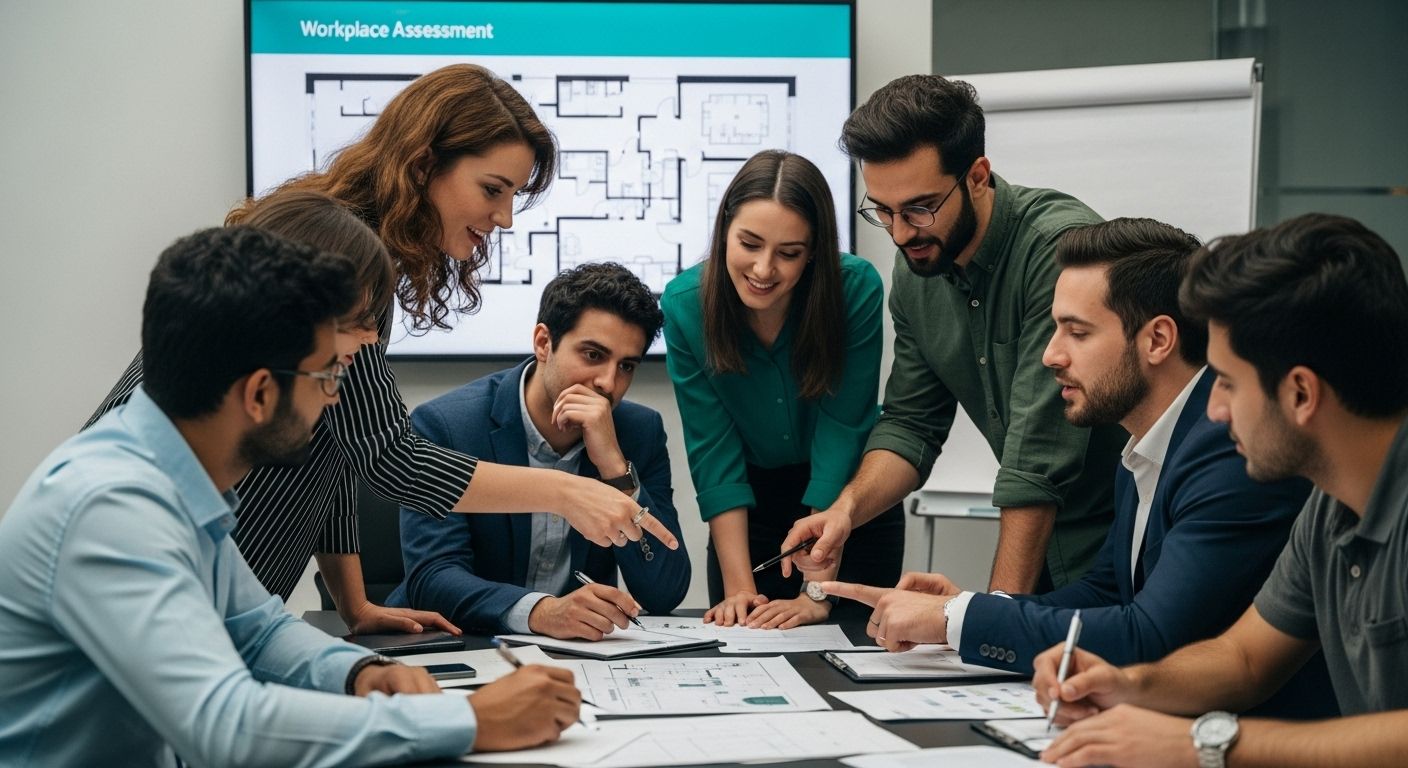
According to the Occupational Safety and Health Administration, effective ergonomic solution selection begins with a thorough workplace risk assessment. In the context of Dubai’s diverse and innovative business environment, this means conducting a detailed evaluation of workspace configurations, employee roles, and specific physical demands.
Key assessment factors include:
Below is a summary table outlining the main factors to assess when selecting ergonomic solutions for a Dubai office, as mentioned in the article:
| Assessment Factor | Purpose | Example Considerations |
|---|---|---|
| Workspace Dimensions | Analyze space for furniture setups | Available floor area, layout variations |
| Employee Demographics | Address diverse physical needs | Height, body types, cultural factors |
| Task-Specific Requirements | Match furniture to job functions | Desk jobs vs. collaborative/active roles |
| Material Quality | Ensure comfort and durability | Breathability, heat resistance |
| Technological Integration | Enhance adaptability with smart features | Posture monitoring, memory settings |
| Budget Constraints | Balance features with cost | Cost-effectiveness, long-term investment |
- Workspace Dimensions: Analyzing available space and potential furniture configurations
- Employee Demographics: Understanding the physical diversity of your workforce
- Task-Specific Requirements: Identifying unique ergonomic needs for different job functions
Our comprehensive furniture buying guide provides additional insights into navigating the complex landscape of office furniture selection in the UAE market.
 Ergonomic office design guide showing modern office workstations UAE with adjustable chairs and desks for office furniture Dubai buyers
Evaluating ErgonomicErgonomic Product Features
Choosing ergonomic solutions goes beyond aesthetic appeal. Dubai businesses must prioritize furniture with measurable ergonomic benefits. Critical features to consider include:
- Adjustability Range: Ensuring furniture can accommodate various body types and working styles
- Material Quality: Selecting breathable, durable materials that support long-term comfort
- Technological Integration: Looking for smart furniture with posture monitoring and adaptive capabilities
Specialized ergonomic solutions should offer multiple adjustment points, including seat height, lumbar support, armrest positioning, and workspace configurations. In the dynamic Dubai business landscape, flexibility is key to creating adaptable work environments.
Practical Considerations for Dubai Offices
Regional considerations play a crucial role in ergonomic solution selection. Dubai’s unique climate, work culture, and technological innovation demand a nuanced approach to workspace design. Considerations include heat resistance, humidity tolerance, and compatibility with local technology infrastructure.
Additionally, businesses should factor in:
- Cultural Preferences: Understanding local workplace expectations and comfort standards
- Budget Constraints: Balancing high-quality ergonomic solutions with cost-effectiveness
- Future Scalability: Selecting furniture that can adapt to growing and changing organizational needs
Investing in ergonomic solutions is more than a purchasing decision—it’s a strategic commitment to employee well-being and organizational performance. By carefully evaluating workplace needs, product features, and regional specifics, Dubai businesses can create workspace environments that truly support their most valuable asset—their people.
Frequently Asked Questions
What is ergonomic design?
Ergonomic design focuses on creating workspaces and products that optimize human performance, comfort, and health. It aims to reduce physical strain and enhance overall well-being by aligning workspace setups with human capabilities.
What are the key benefits of ergonomic design in UAE offices?
Implementing ergonomic design in UAE offices can lead to reduced musculoskeletal complaints, improved employee productivity, decreased healthcare costs, and increased job satisfaction. Ultimately, it contributes to a healthier and more engaged workforce.
How can I assess my workplace for ergonomic needs?
A comprehensive workplace assessment involves evaluating workspace dimensions, understanding employee demographics, and identifying task-specific requirements. This helps tailor ergonomic solutions to meet the unique needs of your workforce.
What features should I look for in ergonomic office furniture?
When selecting ergonomic office furniture, prioritize adjustability, proper support for the back and neck, and high-quality materials. Consider features like height-adjustable desks, lumbar support in chairs, and customization options to enhance comfort and usability.
Elevate Your UAE Office With Expert Ergonomic Solutions
Are you struggling with employee discomfort, reduced productivity, or rising health-related absences in your workspace? After reading about the real impact of ergonomic design and the urgent need for properly fitted office furniture, it is clear that the right solutions are essential for both your team’s well-being and your bottom line. Many UAE businesses face the costly challenge of outdated or inflexible office setups, which can hold back success and morale. SAGTCO understands the science behind ergonomic support, adjustability, and innovative workspace planning discussed throughout this guide.

Now is the time to move from knowledge to action. Explore tailored office furniture and smart workplace consultation directly from the UAE’s leading experts. Discover free space planning, modern customizable designs, and a smooth process that puts comfort and business performance first. Take the next step and connect with our team today through our consultation page. Your healthier, more productive workspace starts now.
Recommended
- FuErgonomicrniture Buying Guide: Smart Choices for UAE Offices – Office Furniture Dubai | Buy Modern Office Furniture Dubai – SAGTCO
- Key Factors in Office Furniture Design – Office Furniture Dubai | Buy Modern Office Furniture Dubai – SAGTCO
- Office Furniture Abu Dhabi a transformation ultimate Guide
- Office Furniture Budget Tips: Smart Savings Guide – Office Furniture Dubai | Buy Modern Office Furniture Dubai – SAGTCO
- Ergonomic Furniture Basics: Your Guide to Healthy Spaces – Bum Seating
- Cre8 Ergonomic Office Chair | Buy Office Chairs Online – Office Stock


