

Sustainability is no longer just a trend; it’s a necessity for businesses. The United Arab Emirates is leading the charge toward greener office practices, aiming to double its renewable energy capacity to 14 GW by 2030. But here’s the kicker: despite this ambitious goal, many organizations are still reluctant to fully embrace sustainability. The reality is that assessing your office’s sustainability can not only reduce your environmental footprint but also enhance your bottom line. Discover how your workplace can become a beacon of sustainability in the UAE.
Assess Office Sustainability in UAE
The United Arab Emirates has positioned itself as a pioneer in sustainable development across the Middle East. As businesses throughout the region face increasing pressure to reduce their environmental footprint, assessing your office sustainability has become not just an environmental responsibility but a strategic business advantage. Understanding where your workplace stands is the critical first step toward implementing sustainable office practices in the UAE.
Current State of Office Sustainability in the UAE
The UAE has demonstrated remarkable commitment to sustainability, with ambitious goals that directly impact the commercial sector. The nation aims to double its renewable energy capacity to 14 GW by 2030, creating a supportive ecosystem for businesses transitioning to greener operations according to energy sector research. This national push provides a strong foundation for organizations looking to enhance their sustainability credentials.
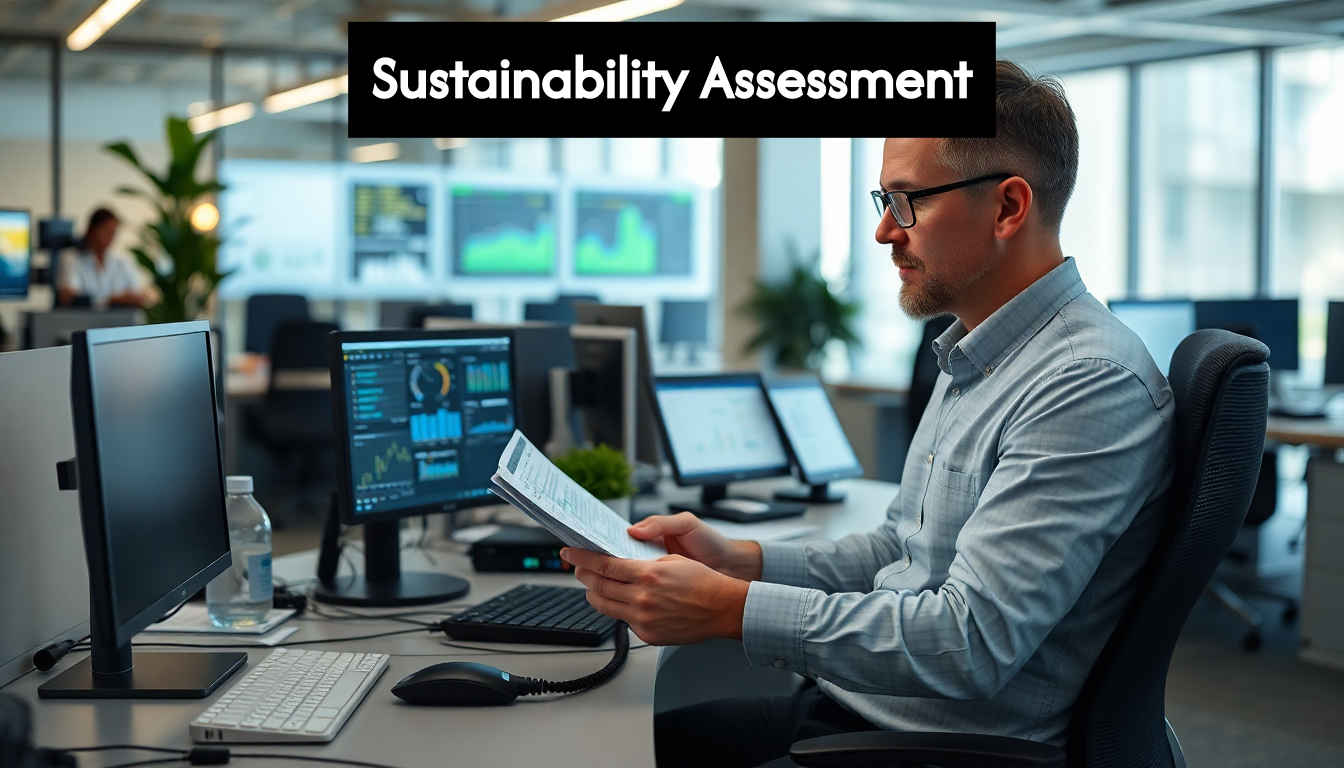
The building construction industry contributes significantly to global energy consumption and carbon emissions. In the UAE specifically, the extreme desert climate creates unique challenges and opportunities for office sustainability. Traditional buildings in the region often require extensive cooling systems that consume substantial energy. However, the abundant sunshine also presents excellent opportunities for solar energy integration.
Many UAE businesses have begun their sustainability journey, but assessment practices vary widely. Some organizations conduct comprehensive audits while others take a more piecemeal approach. The most effective assessments examine multiple dimensions of sustainability: energy usage, water conservation, waste management, and workplace culture.
Key Assessment Areas for UAE Office Spaces
A thorough sustainability assessment for UAE office environments should focus on several critical areas:
- Energy consumption patterns (including cooling system efficiency in the desert climate)
- Water usage and conservation practices (particularly important in a water-scarce region)
- Waste generation and management systems
- Indoor air quality and workplace environment considerations
- Transportation impact from employee commutes and business operations
The assessment should establish baseline measurements for each area, identify improvement opportunities, and prioritize actions based on potential impact and feasibility. For UAE businesses, energy and water assessments often reveal the most significant opportunities for immediate gains.
Assessment Methodologies and Tools
Various assessment frameworks can guide your office sustainability evaluation in the UAE. These range from internationally recognized standards like LEED (Leadership in Energy and Environmental Design) to UAE-specific frameworks such as Estidama in Abu Dhabi and Al Sa’fat in Dubai.
The assessment process typically begins with data collection across all sustainability dimensions. This may involve reviewing utility bills, conducting employee surveys, analyzing procurement patterns, and measuring waste outputs. Many organizations benefit from bringing in sustainability consultants familiar with the UAE context, as they can provide specialized expertise on regional environmental challenges and compliance requirements.
Digital tools can significantly enhance the assessment process. Energy monitoring systems provide real-time data on consumption patterns, while carbon calculators help quantify your office’s environmental impact. These technologies are increasingly accessible to businesses of all sizes in the UAE market.
The most valuable assessments don’t just measure current performance but establish ongoing monitoring mechanisms. Sustainability isn’t a one-time project but a continuous improvement process that requires regular reassessment and adjustment as technologies and best practices evolve.
By conducting a comprehensive sustainability assessment, your organization gains the insights needed to develop targeted, effective strategies for creating a more environmentally responsible workplace in the unique context of the UAE.
Key Takeaways
| Takeaway | Explanation |
|---|---|
| Assess Your Office Sustainability | Conduct a comprehensive sustainability assessment focusing on energy, water, waste, indoor air quality, and transportation to identify areas for improvement and establish baseline measurements. |
| Implement Energy Efficiency Initiatives | Transform energy consumption by optimizing HVAC systems, utilizing LED lighting, and ensuring all equipment is powered down after hours to significantly reduce operational costs. |
| Engage Employees in Sustainability Efforts | Create a green team, develop educational programs, and implement recognition schemes that motivate employees to participate in sustainability efforts, fostering a culture of environmental responsibility. |
| Measure Outcomes Continuously | Establish meaningful metrics for both sustainability and innovation initiatives to facilitate ongoing monitoring, ensuring that strategies remain effective and that organizations can make informed adjustments. |
| Design Workspaces for Innovation | Foster creativity and collaboration by incorporating flexible workspace designs, promoting interaction, and utilizing technology that enhances communication and idea development among employees. |
Implement Green Office Strategies UAE
Transforming UAE workspaces into environmentally responsible operations requires deliberate strategy and practical implementation. With the region’s unique climate challenges and rapid business growth, implementing green office strategies in the UAE demands both global best practices and locally relevant approaches. The journey toward workplace sustainability yields benefits beyond environmental impact—it enhances operational efficiency, reduces costs, and strengthens corporate reputation.
Energy Efficiency Initiatives
The UAE’s desert climate makes energy management a priority for sustainable offices. With buildings consuming approximately 30% of global final energy and contributing to 27% of energy-related CO2 emissions according to research on sustainable construction, energy efficiency initiatives offer substantial environmental and financial returns.
Start with lighting systems—replace conventional fixtures with LED alternatives that consume up to 75% less energy and last significantly longer. Motion sensors in less-frequented areas prevent unnecessary electricity usage. Smart lighting systems that adjust based on natural light availability further optimize consumption without sacrificing workplace comfort.
Cooling systems represent the largest energy expense for UAE offices. Optimize HVAC performance through regular maintenance, proper insulation, and smart thermostats programmed to reduce cooling during non-operational hours. Consider installing window films that block heat while permitting natural light, substantially decreasing cooling demands throughout the intense summer months.
Equipment choices significantly impact energy consumption. Energy-efficient computers, printers, and appliances with sleep modes minimize power draw during inactive periods. Implement a company-wide policy requiring all equipment to be fully powered down at day’s end rather than left in standby mode, which continues to consume electricity.
Water Conservation Strategies
In a water-scarce region like the UAE, responsible water management demonstrates environmental leadership. Install low-flow faucets, dual-flush toilets, and waterless urinals to dramatically reduce water consumption. These simple retrofits typically pay for themselves within months through utility savings.
Look beyond the obvious fixtures—check regularly for leaks throughout plumbing systems, as even minor drips waste thousands of liters annually. Consider investing in greywater recycling systems that collect water from sinks for toilet flushing or landscape irrigation, creating a closed-loop system that reduces freshwater demands.
For offices with outdoor areas, implement drought-resistant landscaping using native plant species adapted to the local climate. These require minimal irrigation while providing natural aesthetics. When irrigation is necessary, install smart systems that water only when needed based on soil moisture levels rather than on fixed schedules.
Waste Reduction and Management
Effective waste management begins with a comprehensive waste audit to identify primary waste streams. Once these are mapped, implement a systematic approach to reduction. Digitize documentation processes to minimize paper usage, configure printers for double-sided printing by default, and create convenient recycling stations throughout the workplace.

Address single-use items aggressively. Provide reusable alternatives to disposable cups, plates, and utensils in kitchen areas. Install water filtration systems that eliminate the need for bottled water delivery. For unavoidable waste, establish clear segregation protocols with dedicated bins for paper, plastic, glass, and electronic waste, partnering with certified recyclers in the UAE.
Extend waste reduction to procurement practices. Develop purchasing guidelines that prioritize products with minimal packaging, longer lifespans, and recyclable components. Consider the entire lifecycle of office furniture and equipment, selecting items designed for durability and eventual recycling or repurposing.
Employee Engagement Programs
Sustainability initiatives succeed when they become part of workplace culture. Create a green team with representatives from different departments to champion initiatives and provide ongoing feedback. Develop educational programs that illustrate both the environmental necessity and business case for sustainable practices.
Generate enthusiasm through friendly competition between departments to reduce energy usage or waste production. Recognize and reward individuals who make exceptional contributions to office sustainability. Consider incentive programs that share utility savings with employees, directly connecting sustainable behaviors to tangible benefits.
By implementing these strategies systematically, UAE organizations can create workplaces that significantly reduce environmental impact while enhancing operational efficiency. The key lies in approaching sustainability not as an isolated initiative but as an integrated aspect of business operations that evolves continuously as technologies and best practices advance.
Inspire Innovation in Workspaces UAE
Innovation is the lifeblood of progressive organizations across the UAE’s dynamic business landscape. As the Emirates continue to position themselves as global leaders in technological advancement and economic diversification, creating workspaces that foster creativity and innovative thinking has become essential for maintaining competitive advantage. The pursuit of innovation-friendly workplaces goes beyond aesthetics—it requires thoughtful design, supportive leadership, and strategic implementation.
Leadership Approaches That Drive Innovation
Innovation begins with leadership that actively encourages creative thinking and calculated risk-taking. Research examining UAE small and medium enterprises reveals a strong correlation between transformational leadership styles and increased innovation according to a comprehensive UAE employee study. Leaders who inspire rather than simply direct create the psychological safety necessary for employees to propose novel ideas without fear of negative consequences.
Transformational leaders cultivate innovation by modeling curiosity, embracing constructive challenges to established processes, and demonstrating openness to unconventional approaches. They actively seek input from team members at all organizational levels, recognizing that groundbreaking ideas often emerge from unexpected sources. In the UAE’s multicultural business environment, this inclusive approach taps into diverse perspectives, enriching the innovation process.
Effective innovation leaders also balance freedom with accountability. They provide clear strategic direction while granting teams autonomy in execution. This approach is particularly effective in the UAE context, where organizations often blend global best practices with local business sensibilities. Leaders who understand this dynamic can guide innovation efforts that respect cultural considerations while pushing boundaries appropriately.
Physical Workspace Design for Creative Thinking
The physical environment profoundly impacts creative thinking and collaborative innovation. Traditional office layouts with rigid cubicles and isolated departments often inhibit the spontaneous interactions that spark new ideas. Modern UAE workspaces increasingly incorporate design elements that facilitate both focused work and collaborative engagement.
Flexible spaces that adapt to different work modes represent a foundational element of innovation-friendly environments. These might include movable furniture, writeable walls, and technology-enabled meeting areas that support both in-person and virtual collaboration. Such adaptability is particularly valuable in the UAE’s increasingly hybrid work culture, where teams may combine on-site and remote participation.
Strategically designed common areas create opportunities for cross-departmental interaction—a crucial ingredient for innovation. Centralized refreshment stations, comfortable lounges, and inviting stairwells encourage the informal conversations that often lead to unexpected collaborations. These spaces work best when they’re genuinely inviting, prompting employees to choose them over isolated alternatives.
Attention to environmental factors like natural light, air quality, acoustics, and biophilic elements (incorporating nature into workspace design) also supports innovative thinking by enhancing cognitive function and reducing stress. In the UAE’s desert climate, workspaces that thoughtfully manage natural light while minimizing heat gain can create comfortable environments that foster creativity throughout the day.
Technological Infrastructure to Support Innovation
Technology serves as both an enabler of innovation and often the focus of innovation itself. UAE organizations seeking to inspire creative thinking must establish technological infrastructures that support collaboration, experimentation, and rapid implementation of new ideas.
Cloud-based collaboration tools allow teams to develop ideas asynchronously, building on concepts across time and space. These platforms are particularly valuable in the UAE’s international business context, where collaborators may span global time zones. When selecting these tools, prioritize intuitive interfaces that minimize learning curves and technological barriers to participation.
Dedicated innovation management systems help organizations capture, evaluate, and develop ideas systematically. These platforms typically include features for submitting concepts, collaborative refinement, and transparent evaluation processes. For UAE organizations, systems that accommodate multilingual submissions can maximize participation across diverse workforces.
Prototyping technologies—from 3D printers to simplified coding environments—allow teams to quickly transform concepts into tangible demonstrations. This rapid materialization of ideas accelerates feedback cycles and builds momentum around promising innovations. As the UAE continues investing in advanced technological capabilities, organizations have increasing access to sophisticated prototyping resources through innovation hubs and partnerships.
Cultural Practices That Encourage Innovative Thinking
Beyond physical and technological considerations, organizational culture ultimately determines whether innovation thrives or withers. In UAE workplaces, cultivating an innovation mindset requires deliberate cultural practices that encourage appropriate risk-taking and collaborative problem-solving.
Regular innovation sessions provide structured opportunities for creative thinking. These might include design thinking workshops, hackathons, or dedicated innovation days where teams focus exclusively on exploring new possibilities. For maximum impact, involve participants from diverse departments and experience levels, creating fresh combinations of perspectives.
Recognition programs that celebrate innovative thinking—even when initial attempts don’t succeed—reinforce the value of creative experimentation. By acknowledging thoughtful risk-taking alongside successful outcomes, organizations demonstrate commitment to the innovation process rather than just its results.
By integrating these leadership approaches, physical design elements, technological tools, and cultural practices, UAE organizations can create workspaces where innovation flourishes naturally rather than existing as a forced initiative. The result is a self-sustaining ecosystem of creative problem-solving that drives continuous improvement and breakthrough thinking.
Measure Outcomes & Refine Innovations
Implementing sustainable practices and innovation initiatives in UAE workspaces represents only half the journey. The difference between organizations that achieve lasting impact and those whose efforts fade lies in systematic measurement and continuous refinement. Establishing robust evaluation frameworks ensures that your sustainability and innovation investments deliver measurable returns while creating opportunities for ongoing improvement.
Establishing Meaningful Metrics
Effective measurement begins with selecting the right metrics—indicators that meaningfully reflect progress toward your specific objectives. For sustainability initiatives, quantitative measurements typically include energy consumption (kWh), water usage (liters), waste production (kg), and carbon emissions (CO2e). These metrics provide clear, comparable data points that track environmental impact reduction over time.
Innovation initiatives require a more nuanced approach to measurement. While traditional metrics like new product launches or patent filings may apply to some organizations, broader innovation efforts often demand different indicators. Consider tracking metrics such as implemented employee suggestions, cross-departmental collaborations, or reduction in process steps or time-to-completion. These measurements capture the operational improvements that often represent the most valuable outcomes of workplace innovation.
For both sustainability and innovation initiatives, balance lagging indicators (outcomes) with leading indicators (activities that predict future outcomes). For example, while reduced energy consumption represents a lagging indicator of sustainability success, the percentage of employees completing energy conservation training serves as a leading indicator that predicts future performance.
Implementation of Measurement Systems
The technical implementation of measurement systems varies based on organizational size, resources, and objectives. Simple spreadsheet tracking may suffice for smaller organizations or initial efforts, while larger enterprises often benefit from dedicated software solutions that automate data collection and visualization.
Regardless of technical sophistication, successful measurement systems share key characteristics. They establish clear baselines before implementation, enabling meaningful before-and-after comparisons. They incorporate regular measurement intervals appropriate to the initiative—monthly utility tracking for sustainability efforts or quarterly innovation progress reviews. They also integrate both quantitative and qualitative data, recognizing that numbers alone rarely tell the complete story.
Effective measurement systems also consider the human element. They minimize administrative burden by integrating with existing workflows and leveraging automation where possible. They present data in accessible formats that stakeholders at all levels can understand and act upon. And they provide appropriate visibility throughout the organization, creating accountability while avoiding creating unproductive pressure.
Continuous Improvement Framework
The most valuable measurement systems function within a continuous improvement framework that transforms data into action. This iterative approach aligns with the perspective that “one does not validate a test, but only a principle for making inferences,” as noted in research on continuous quality improvement. In other words, measurement tools remain valuable only insofar as they inform meaningful adjustments.
A structured review process establishes regular intervals for examining performance data, identifying patterns, and determining appropriate responses. These reviews should include stakeholders with both strategic perspective and implementation experience. The focus remains not on assigning blame for shortfalls but on identifying systemic adjustments that can enhance performance.
The most productive review processes incorporate multiple feedback channels. Direct performance metrics provide one perspective, but user experience data, stakeholder interviews, and external benchmarking offer complementary insights. These diverse inputs create a more complete understanding of both what is happening and why it is happening—essential information for effective refinement.
Stakeholder Communication and Engagement
Measurement data delivers maximum value when effectively communicated to relevant stakeholders. For sustainability initiatives, consider creating dashboards that visualize progress against targets, celebrating milestones while highlighting areas requiring additional attention. These communications maintain momentum by demonstrating that individual actions contribute to meaningful collective impact.
For innovation initiatives, storytelling often proves as important as statistics. Share specific examples of implemented ideas, process improvements, or customer impact. These narratives make abstract innovation metrics tangible and inspire continued participation in the innovation process.
Beyond communication, involve stakeholders in the refinement process itself. Employees implementing sustainability practices or participating in innovation initiatives often possess the most valuable insights regarding potential improvements. Create structured opportunities for these stakeholders to share observations and recommendations, then close the feedback loop by acknowledging contributions and explaining implementation decisions.
By establishing robust measurement systems within a continuous improvement framework, UAE organizations can transform sustainability and innovation from isolated initiatives into embedded organizational capabilities. This systematic approach ensures that initial investments yield increasingly valuable returns while building adaptive capacity that responds to evolving challenges and opportunities.
Frequently Asked Questions
What are some sustainable office practices for businesses in the UAE?
Implement sustainable office practices such as energy-efficient lighting, water conservation strategies, waste reduction systems, and engaging employees in green initiatives.
How can I assess my office’s sustainability?
To assess your office’s sustainability, evaluate energy consumption, water usage, waste management, indoor air quality, and transportation impact to identify areas for improvement.
What are the benefits of implementing green office strategies in the UAE?
Implementing green office strategies can enhance operational efficiency, reduce costs, strengthen corporate reputation, and contribute to the UAE’s goals for sustainability and renewable energy.
How can technology support sustainability and innovation in UAE workplaces?
Technology can support sustainability and innovation through energy monitoring systems, cloud-based collaboration tools, and dedicated innovation management platforms that streamline data collection and enhance creative processes.
Transform Your Workspace into a Sustainable Oasis
Is your office ready to lead the charge towards greener practices but unsure where to begin? As highlighted in our article on “Sustainable Office Practices & UAE Workspace Innovation,” assessing your office’s sustainability is crucial for enhancing productivity and reducing your environmental footprint. Many businesses in the UAE find themselves grappling with high energy consumption, ineffective waste management, and the need for a collaborative innovation-driven culture.
SAGTCO is here to alleviate those challenges with customizable office furniture and interactive systems that not only elevate workspace aesthetics but also support your sustainable initiatives. Our solutions focus on energy-efficient designs and responsible materials, ensuring you create a workspace that inspires creativity while minimizing environmental impact. Plus, with our free space planning consultation, we can tailor solutions that align with your unique sustainability goals.
Ready to lead your office to a greener future? Explore our comprehensive range of modern office solutions at SAGTCO.com and take the first step toward achieving your sustainability targets today! Don’t wait—your innovative, eco-friendly workspace is just a click away!


