

Office design in the UAE is no longer just about picking stylish furniture or flashy décor. Strategic office planning can increase employee engagement by up to 38 percent and even shape how your brand is perceived by both clients and staff. Yet most companies overlook one simple fact. The real power of a well-designed office is how it quietly transforms every part of your business—from daily performance to long-term culture. Surprised how much is riding on floor plans and color palettes? The numbers tell a different story.
Table of Contents
- How Office Design Impacts Employee Performance
- Link Between Workspace And Company Brand
- Designing For Productivity And Wellbeing In The UAE
- Choosing The Right Office Furniture For Dubai Businesses
Quick Summary
| Takeaway | Explanation |
|---|---|
| Office design enhances employee performance. | Thoughtful office design significantly boosts employee productivity, engagement, and satisfaction in the workplace. |
| Create a workspace reflecting company values. | The physical environment should communicate the organization’s identity and core values to employees and clients alike. |
| Invest in ergonomic furniture for well-being. | High-quality, ergonomically designed furniture minimizes health issues and enhances overall employee comfort and productivity. |
| Prioritize aesthetic and functional furniture choices. | Choose office furniture that combines functionality with aesthetic appeal, reflecting both the professional and cultural context of the UAE. |
| Design for psychological wellness. | Incorporating elements that promote mental health enhances employee morale and reduces workplace stress, fostering a positive work environment. |
How Office Design Impacts Employee Performance
Office design is far more than aesthetic decoration. It is a strategic approach that directly influences employee performance, engagement, and overall workplace productivity. Modern organizations recognize that the physical workspace serves as a critical tool for enhancing workforce capabilities and organizational success.
Psychological and Physical Impact of Workspace Design
The design of an office environment profoundly affects employee psychology and physical well-being. Research from the National Institutes of Health reveals that thoughtful workspace configurations can significantly improve cognitive function, reduce stress levels, and increase job satisfaction. Employees spend approximately one-third of their lives at work, making the physical environment a crucial factor in their mental and professional performance.
Key psychological aspects influenced by office design include:
To better understand how different aspects of office design affect employees, here is a summary of key psychological and physical impacts discussed in the article:
| Aspect | Description |
|---|---|
| Spatial Perception | Open vs. compartmentalized spaces affect collaboration and concentration |
| Sensory Stimulation | Elements like lighting, color, and acoustics influence mood and productivity |
| Comfort Levels | Ergonomic furniture and adjustable workstations reduce fatigue and improve comfort |
- Spatial Perception: Open layouts versus compartmentalized spaces impact collaboration and individual concentration.
- Sensory Stimulation: Natural lighting, color schemes, and acoustic management directly affect mood and productivity.
- Comfort Levels: Ergonomic furniture and adaptable workstations contribute to physical comfort and reduced workplace fatigue.
Performance Optimization through Strategic Design
Strategic office design goes beyond creating visually appealing spaces. It involves understanding human behavior, workflow dynamics, and creating environments that naturally support peak performance. Workplace design experts at Cornell University emphasize that intentional spatial planning can increase employee engagement by up to 38%.
Critical performance-enhancing design elements include:
- Flexible Workspaces: Adaptable areas that allow employees to choose work settings based on task requirements.
- Technology Integration: Seamless incorporation of digital infrastructure that supports efficient workflow.
- Collaborative Zones: Dedicated areas that encourage spontaneous interactions and team problem-solving.
By implementing thoughtful office interior design strategies, organizations can create environments that not only look impressive but fundamentally support employee performance and organizational goals. The right design transforms workspaces from mere physical locations into dynamic platforms for innovation, creativity, and professional excellence.
Ultimately, office design is an investment in human potential. It represents a holistic approach to understanding how physical environments can unlock employee capabilities, foster engagement, and drive organizational success in an increasingly competitive business landscape.
Link Between Workspace and Company Brand
Workspace design has emerged as a powerful communication tool that extends far beyond aesthetic considerations. It serves as a tangible representation of a company’s brand identity, values, and organizational culture. Research from the National Institutes of Health reveals that office interior design plays a critical role in communicating an organization’s core values to both employees and external stakeholders.
Visual Storytelling Through Physical Environment
Modern organizations understand that their workspace is more than just a functional area. It is a three-dimensional narrative that communicates the company’s essence. Every design element—from color palette to furniture selection—becomes a strategic brand communication tool. Companies like Google and Apple have long recognized this principle, creating workspaces that immediately convey innovation, creativity, and forward-thinking approaches.
Key brand communication elements in workspace design include:
- Color Psychology: Utilizing brand color schemes to reinforce organizational identity
- Architectural Elements: Reflecting company values through spatial design and layout
- Material Selection: Choosing materials that represent the organization’s commitment to quality and sustainability
Cultural Alignment and Employee Perception
The physical workspace acts as a powerful mechanism for aligning employee perceptions with organizational brand values. Corporate design experts suggest that a well-designed workspace can increase employee brand alignment by up to 45%. When employees feel that their physical environment reflects the company’s core values, they are more likely to become authentic brand ambassadors.
Strategic workspace design can achieve this alignment by:
- Creating Inspiring Environments: Designing spaces that reflect company mission and vision
- Promoting Collaborative Culture: Developing areas that encourage interaction and shared purpose
- Reflecting Organizational Values: Integrating design elements that communicate corporate identity
By investing in thoughtful workspace design, organizations transform their physical environment into a powerful branding instrument. The workspace becomes more than a location—it becomes a living, breathing representation of the company’s identity, capable of attracting top talent, impressing clients, and reinforcing organizational culture.
Ultimately, workspace design represents a sophisticated form of non-verbal communication. It tells a story about who the organization is, what it values, and how it perceives its role in the broader business ecosystem. In an era where brand differentiation is crucial, the physical workspace has become an indispensable strategic asset for modern businesses.
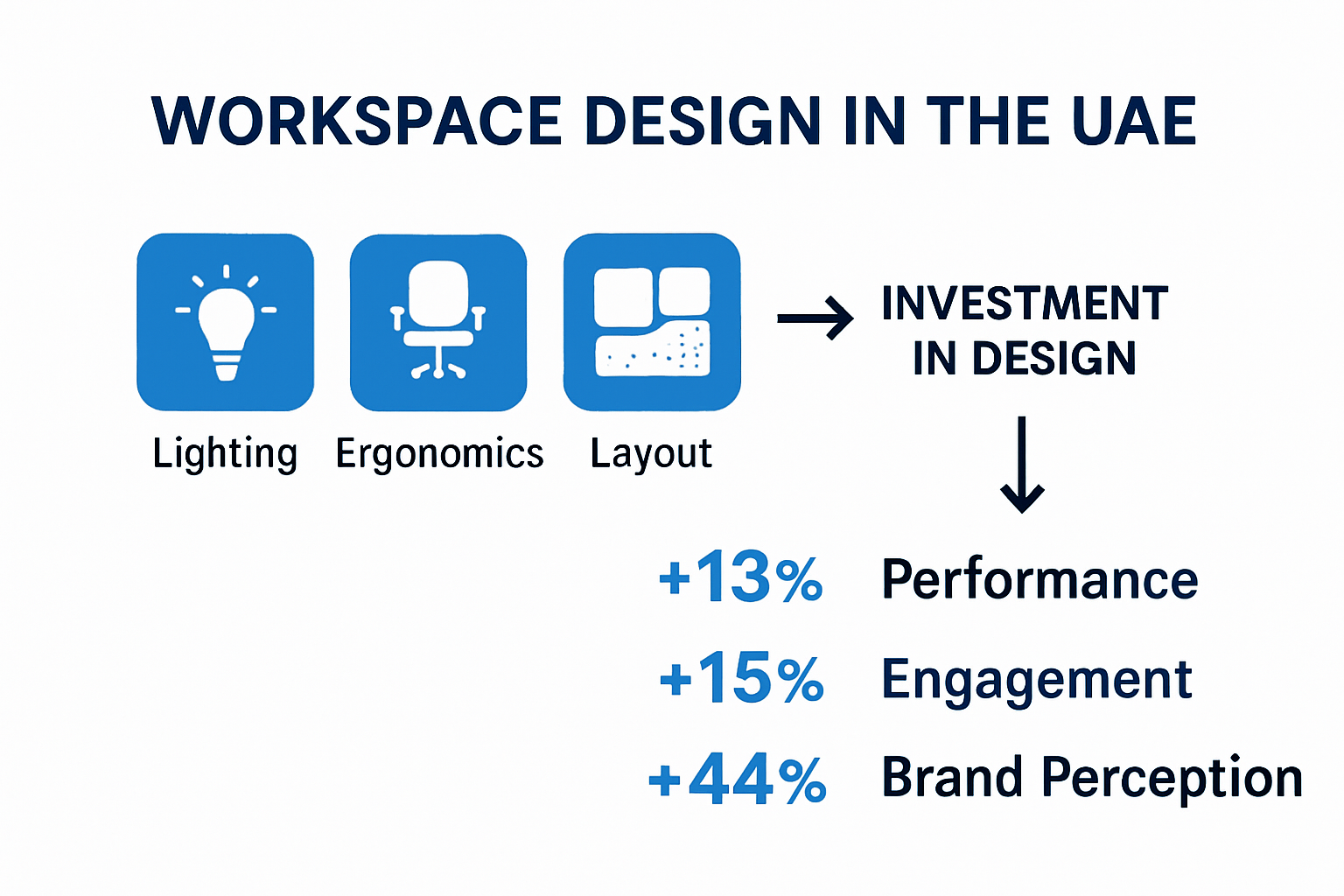
Designing for Productivity and Wellbeing in the UAE
In the dynamic business environment of the UAE, workspace design has evolved from a mere functional requirement to a strategic approach prioritizing employee productivity and holistic well-being. The region’s forward-thinking organizations recognize that creating environments supporting mental and physical health directly correlates with organizational success.
Ergonomic Design and Human-Centric Approaches
Ergonomic considerations form the cornerstone of modern workspace design in the UAE. Research from the International Conference on Education and New Learning Technologies highlights the profound impact of natural lighting and thoughtful spatial planning on employee performance. Companies are increasingly investing in adaptable workstations, adjustable furniture, and design elements that support physical comfort and reduce workplace stress.
Key ergonomic strategies include:
Below is a table outlining essential ergonomic and psychological design strategies that UAE workplaces are adopting to boost productivity and well-being:
| Strategy Category | Key Focus Areas |
|---|---|
| Ergonomic Design | Adjustable workstations, biomechanical furniture, movement-friendly layouts |
| Psychological Wellness | Biophilic elements, flexible work areas, quiet zones |
- Adjustable Workstations: Supporting varied work postures and individual physical needs
- Biomechanical Furniture Design: Minimizing physical strain and promoting natural body mechanics
- Movement-Friendly Layouts: Encouraging physical activity and reducing sedentary work patterns
Psychological Wellness through Environmental Design
Beyond physical comfort, UAE workspaces are increasingly focusing on psychological wellness. Mental health and emotional well-being are now considered critical components of workplace design. Organizational psychology experts suggest that environments promoting relaxation, social interaction, and personal autonomy can significantly reduce workplace stress and enhance overall employee satisfaction.
Psychological wellness design principles encompass:
- Biophilic Elements: Integrating natural elements like plants, water features, and natural lighting
- Flexible Work Areas: Creating spaces that support diverse work styles and personal preferences
- Quiet Zones: Providing areas for focused work and mental restoration
By implementing comprehensive workspace strategies, organizations in the UAE are transforming traditional office environments into holistic ecosystems that nurture employee potential. These designs go beyond aesthetic considerations, serving as dynamic platforms that support physical health, mental resilience, and professional growth.
The future of workplace design in the UAE represents a sophisticated integration of technology, human psychology, and architectural innovation. As businesses continue to recognize the direct correlation between workspace design and organizational performance, we can expect increasingly nuanced and empathetic approaches to creating work environments that truly support human potential.
Choosing the Right Office Furniture for Dubai Businesses
Selecting the right office furniture represents a critical strategic decision for Dubai businesses, extending far beyond aesthetic considerations. In a competitive market where workplace efficiency directly impacts organizational success, furniture becomes a fundamental tool for enhancing productivity, employee satisfaction, and overall business performance.
Ergonomic Considerations and Health Impact
Research from the International Journal of Environmental Research and Public Health reveals that thoughtful furniture selection can significantly reduce musculoskeletal problems and improve worker efficiency. Dubai businesses are increasingly recognizing that investing in high-quality, ergonomically designed furniture is not an expense but a strategic investment in human capital.
Key ergonomic furniture considerations include:
- Adjustable Chairs: Supporting diverse body types and promoting proper posture
- Height-Adaptive Desks: Enabling dynamic work positions and reducing sedentary health risks
- Lumbar Support Systems: Minimizing long-term physical strain and potential workplace injuries
Cultural and Professional Aesthetic Alignment
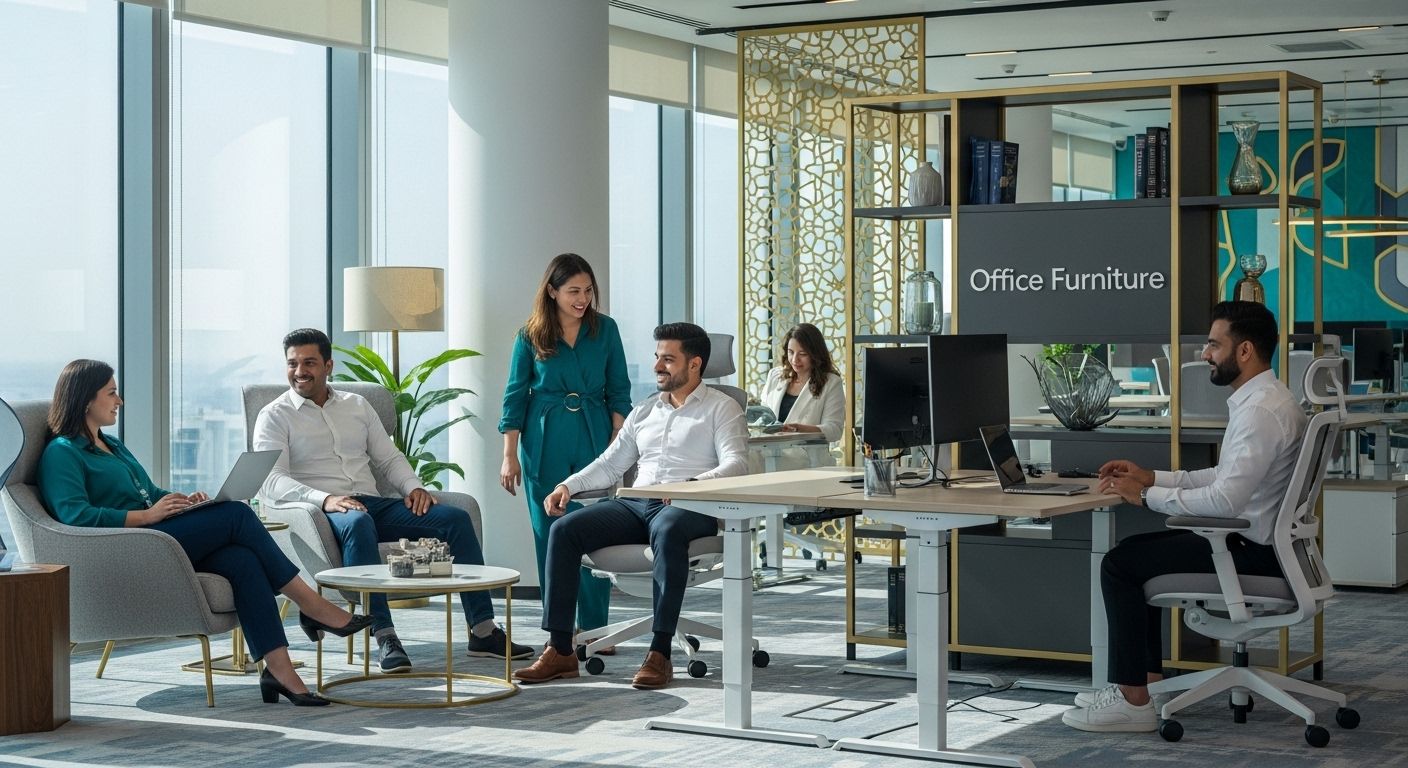
In the UAE’s cosmopolitan business environment, office furniture must balance functional requirements with cultural sophistication. Design experts emphasize that furniture selection should reflect both organizational identity and regional aesthetic sensibilities. Dubai businesses seek furniture that communicates professionalism while incorporating elements of local design heritage.
Strategic furniture selection criteria encompass:
- Material Quality: Choosing durable materials suitable for the UAE’s climate
- Design Flexibility: Accommodating evolving workspace configurations
- Cultural Sensitivity: Reflecting regional design preferences and professional standards
By implementing strategic furniture procurement approaches, organizations can transform their workspaces into dynamic environments that support employee well-being and organizational objectives. The right furniture becomes more than a functional element—it becomes a strategic asset that communicates corporate values, enhances productivity, and creates an inspiring work environment.
Ultimately, furniture selection in Dubai represents a nuanced decision that intersects technology, human psychology, professional aesthetics, and organizational strategy. As businesses continue to evolve, furniture will remain a critical component in creating workspaces that attract talent, inspire creativity, and drive organizational success.
Frequently Asked Questions
How does office design impact employee performance in the UAE?
Office design significantly affects employee performance by enhancing productivity, engagement, and satisfaction. Thoughtful design can increase employee engagement by up to 38%, improving overall workplace dynamics.
What are some key psychological impacts of workspace design?
Key psychological impacts include spatial perception, sensory stimulation from color and light, and comfort levels. These factors can affect collaboration, mood, and productivity, making the workspace a crucial element for employee well-being.
Why is ergonomic furniture important in office design?
Ergonomic furniture is vital because it minimizes health issues, enhances comfort, and boosts productivity. High-quality ergonomic designs support diverse body types and help reduce fatigue, ultimately improving employee performance.
What should businesses consider when selecting office furniture in Dubai?
Businesses should focus on ergonomic considerations, cultural sensitivity, and material quality when selecting office furniture. The furniture should not only be functional but also reflect the organization’s identity and regional aesthetic, ensuring it meets professional standards.
Transform Your Workspace Vision into Reality with SAGTCO
Is your office design holding back your team’s potential? The article explored how strategic office layouts, ergonomic furniture, and brand-focused environments can help drive productivity and wellness. If you recognize barriers like outdated furniture, inefficient layouts, or a space that fails to reflect your company culture, you do not need to settle for less.
At SAGTCO, we specialize in modern, customizable office solutions tailored for UAE businesses. Our experts will guide you with free space planning and product recommendations. Choose from a comprehensive range of office furniture designed for both comfort and cultural alignment. Take your next step toward a more productive workspace by contacting us today. The right environment can redefine how your team works and feels. Do not wait—experience the transformation firsthand.
Recommended
- Modern Office Design DUBAI: Inspiring Workspace Trends – Office Furniture Dubai | Buy Modern Office Furniture Dubai – SAGTCO
- Furniture Buying Guide 2025: Smart Choices for UAE Offices – Office Furniture Dubai | Buy Modern Office Furniture Dubai – SAGTCO
- Office Furniture Stores in Dubai: Transform Your Workspace Today
- Boosting Office Furniture and Employee Productivity in 2025 – Office Furniture Dubai | Buy Modern Office Furniture Dubai – SAGTCO
- Office Furniture for Wellbeing: Smart Choices for 2025 – Bum Seating


